Navigating the Business Brokerage Process in California: An Expert Guide

The Role of a California Business Broker
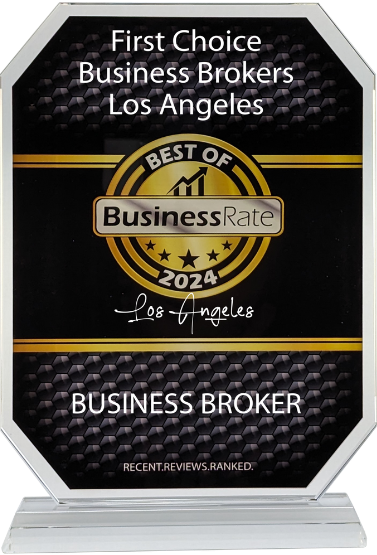
In the intricate landscape of business transactions, California business brokers serve as indispensable strategic partners, expertly bridging the gap between discerning sellers and qualified buyers. First Choice Business Brokers Los Angeles, a premier firm, is dedicated to guiding clients through every facet of this complex process with unparalleled professionalism and integrity.
Valuation and Pricing Expertise
Accurate business valuation is a cornerstone of a successful transaction. Our seasoned experts meticulously analyze comprehensive financial data, prevailing market conditions, and specific industry trends to establish a competitive yet realistic valuation. This rigorous approach ensures optimal positioning for your business in the market.
Strategic Marketing and Exposure
Beyond conventional advertising, First Choice Business Brokers Los Angeles develops sophisticated, targeted marketing strategies. This involves crafting compelling business prospectuses highlighting key strengths, leveraging proprietary online platforms and extensive networks to reach a broad spectrum of qualified buyers, and discreetly identifying strategic acquisition candidates.
Skilled Negotiation and Mediation
The negotiation phase demands exceptional skill and strategic acumen. Our brokers act as adept negotiators and mediators, diligently working to secure the most favorable terms for our selling clients while fostering an equitable agreement for all parties. Our objective is to achieve optimal outcomes through expert facilitation.
A professional business broker is an indispensable strategic partner, leveraging profound expertise in business sales to navigate complexities and mitigate potential challenges. Their role is to streamline the transaction process, ensuring efficiency and maximizing the probability of a successful outcome.
Common Types of Business Broker Services in Californi
The scope of services provided by business brokers extends far beyond mere introductions. First Choice Business Brokers Los Angeles offers a comprehensive suite of services, meticulously tailored to each client's unique requirements, industry, and transactional timeline.
Comprehensive Business Valuation
A precise and defensible business valuation is paramount. Our approach involves a thorough analysis of financial statements, current market dynamics, and various qualitative and quantitative factors to ascertain the true worth of your enterprise. This rigorous valuation process establishes a robust foundation for a successful and equitable sale
Targeted Marketing and Buyer Screening
Identifying the ideal buyer necessitates a strategic and discerning approach. We implement targeted marketing campaigns to reach highly relevant prospects and conduct rigorous buyer screening to ensure financial capability and strategic alignment. This meticulous process conserves valuable client time and optimizes transactional efficiency.
Guidance Through Due Diligence
The due diligence phase is critical for validating business health and value. Our brokers provide expert guidance in preparing and organizing comprehensive documentation, ensuring transparency and facilitating informed decision-making for prospective buyers. This structured approach streamlines the verification process
The sale of a business is a distinct and complex undertaking, fundamentally different from real estate transactions. It demands a meticulous preparation process, akin to a comprehensive operational and financial audit. Business brokers ensure all aspects of your enterprise are meticulously presented and validated, positioning your business for optimal value realization.
Key aspects of this support include:
- Systematic collection and organization of financial records.
- Expert facilitation of buyer inquiries.
- Controlled and confidential management of information flow.
Why Use a Business Broker in California?
The divestiture of a business, particularly within the dynamic Los Angeles market, presents a multifaceted challenge that extends beyond merely identifying a buyer. It encompasses securing optimal terms while expertly navigating a complex regulatory and administrative landscape. This is precisely where the specialized expertise of a business broker becomes indispensable. First Choice Business Brokers Los Angeles is an invaluable strategic partner.
Navigating Complex Regulations
California's regulatory framework governing business sales is intricate and constantly evolving. A proficient business broker understands these state and federal mandates, ensuring strict adherence to legal requirements and mitigating the risk of costly non-compliance. This expertise safeguards the integrity of the transaction.
Access to Extensive Buyer Networks
Access to a robust and extensive network of pre-qualified buyers is paramount for a successful sale. First Choice Business Brokers leverages its national reach and local market expertise to connect sellers with a diverse pool of strategic acquirers, including individual investors, corporate entities, and private equity firms. This broad access significantly enhances the probability of securing an optimal offer.
Effective Business Positioning
Strategic business positioning is crucial for maximizing appeal and value. A business broker collaborates closely with sellers to articulate and amplify their enterprise's unique strengths, proactively address potential areas for improvement, and develop a compelling narrative that resonates with ideal buyers. This strategic presentation can profoundly influence the final sale price and overall transaction terms.
Engaging a business broker empowers sellers to focus on core business operations while the complexities of the sale are expertly managed. Their extensive experience and profound market knowledge streamline the process, fostering efficiency and facilitating a seamless transition to your next endeavour.
Reasons to Engage a Business Broker Deciding to divest a business is a momentous undertaking, often accompanied by considerable complexity. First Choice Business Brokers Los Angeles provides comprehensive support throughout this journey, offering compelling advantages that underscore the strategic imperative of professional brokerage engagement.
Objective Expert Valuation
An objective and expert valuation constitutes the foundational step in any successful business divestiture. A professional business broker provides an unbiased assessment, leveraging extensive market data, industry benchmarks, and proprietary methodologies to ascertain your enterprise's intrinsic and market value. This rigorous approach prevents undervaluation and overpricing, critical factors that impede a successful transaction.
Confidentiality and Discretion
Maintaining absolute confidentiality and discretion is paramount throughout the business sale process. Premature disclosure can destabilize employee morale, disrupt customer relationships, and erode supplier confidence. A broker is an indispensable intermediary, meticulously safeguarding sensitive information and managing all communications with utmost discretion, thereby preserving the business's reputation and operational stability.
Streamlined Transaction Management
The intricate orchestration of a business sale encompasses numerous critical phases, including comprehensive documentation, complex negotiations, rigorous due diligence, and meticulous closing procedures. A professional broker meticulously manages each component, ensuring the process remains on schedule and alleviating the administrative burden on the seller. Their foresight and proactive problem-solving capabilities contribute to a significantly smoother and more efficient transaction.
A business broker is a dedicated project manager for your divestiture, meticulously coordinating every aspect from initial buyer identification to final deal closure. This comprehensive oversight allows you to concentrate on your core operations, conserving valuable time, minimizing stress, and significantly enhancing the probability of a successful and profitable sale.
Tips for Choosing the Right California Business Broker
The selection of a business broker in California is a pivotal decision that profoundly influences the trajectory and outcome of your business sale. It transcends mere licensure, demanding a strategic partnership with a firm that intimately understands your specific enterprise, industry dynamics, and the nuances of the local Los Angeles market. First Choice Business Brokers Los Angeles stands as a preeminent resource in this critical selection process
Evaluating Industry Expertise
Evaluating a broker's industry expertise is paramount. Seek a professional who understands your specific sector's intricacies, operational models, and value drivers. A proven track record within your industry indicates their capacity to secure an optimal transaction.
Checking Credentials and Affiliations
Verify the broker's professional credentials and affiliations. Ensure they hold all requisite licenses, such as a California Real Estate Broker license, which is often required for business sales.6 Membership in esteemed professional organizations like the California Association of Business Brokers (CABB) or the International Business Brokers Association (IBBA) signifies adherence to rigorous ethical standards and a commitment to ongoing professional development.
Reviewing Track Record and References
Review the broker's transactional track record and solicit references from previous clients. A robust history of successful deal closures and positive client testimonials provides tangible evidence of their proficiency and consistent ability to deliver favorable outcomes.
Selecting the appropriate broker is akin to forging a strategic partnership. Prioritize a firm with unwavering integrity, profound expertise, and a demonstrated success history. Diligent research and comprehensive inquiry are essential to securing a trusted advisor for your business divestiture.
How to Choose the Right Business Broker in California
The discernment involved in selecting a business broker in California is paramount. This decision extends beyond mere listing capabilities; it necessitates identifying a strategic partner with an acute understanding of your industry, a nuanced grasp of the local market, and an unwavering commitment to confidentiality. First Choice Business Brokers Los Angeles exemplifies these critical attributes.
Assessing Industry and Local Market Understanding
A comprehensive assessment of a broker's industry and local market understanding is indispensable. Ensure your chosen advisor possesses an in-depth knowledge of your specific sector's unique dynamics and a proven track record within that domain. Furthermore, their familiarity with the distinct challenges and opportunities in the California market, particularly Los Angeles, is crucial for effective strategy formulation.
Inquiring About Confidentiality Protocols
Confidentiality is a non-negotiable imperative throughout the business sale process. Premature disclosure can significantly jeopardize employee morale, customer relationships, and competitive positioning. It is essential to inquire about a broker's robust confidentiality protocols, including the stringent application of Non-Disclosure Agreements (NDAs) with all prospective buyers and their secure handling of sensitive proprietary information.
Understanding Marketing Strategies
A competent broker will articulate a comprehensive, multi-faceted marketing strategy to maximize exposure while maintaining discretion. This typically encompasses
- Strategic online listings on premier platforms.
- Proactive, confidential outreach to a curated network of qualified buyers.
- Discreet advertising channels. The broker should delineate how they intend to accentuate your business's unique value proposition and attract the most suitable acquisition candidates. A well-defined marketing plan is indicative of a competent brokerage firm.
Understanding Business Broker Compensation and Timelines
Understanding the financial engagement model and anticipated timelines is crucial when partnering with First Choice Business Brokers Los Angeles for your business divestiture.
Typical Commission Structures
Business brokers typically operate on a commission-based compensation model, calculated as a percentage of the final sale price. This percentage is subject to variation based on factors such as the business's size, complexity, and marketability. A sliding scale, where the commission rate may decrease incrementally with higher transaction values, is a common practice. Transparent disclosure and thorough discussion of these fee structures at the outset are essential to ensure complete clarity and alignment of expectations.
- Commission is typically a percentage of the final sale price.
- The percentage varies based on business size and transactional complexity.
- Sliding scales are often applied for larger transactions.
Average Business Sale Timelines
Numerous variables influence the duration of a business sale process, including the specific industry, prevailing economic conditions, and the operational health of the business. Comprehensive preparation of the company for sale is also a significant determinant of efficiency. While timelines vary, a typical sales process may range from six months to a year. Recognizing that each business transaction is unique, precluding a precise universal timeline is essential.
- Business type and market conditions significantly impact the timeline.
- Thorough preparation is instrumental in expediting the sale.
- Anticipate a process generally spanning six months to a year.
Pre-Listing Value Enhancement Services. Before formally listing your business, strategic initiatives can be undertaken to enhance its attractiveness to prospective buyers. First Choice Business Brokers Los Angeles offers expert guidance in identifying and implementing these value enhancement strategies. This may involve optimizing financial records, improving operational efficiencies, or enhancing the business's physical assets. Such proactive measures can accelerate the sale process and potentially yield a higher valuation and more favorable terms.
Preparing your business for sale is a strategic investment that yields significant returns. Proactive optimization ensures a compelling presentation to potential acquirers, demonstrating your enterprise's inherent value and operational readiness. This meticulous preparation is key to securing an optimal transaction.
Crafting a Strategic Partnership for M&A Success
The selection of an M&A advisor in Phoenix, Arizona, is a decision of profound strategic importance that extends far beyond a simple transactional engagement. Phoenix's unique economic vitality and competitive advisory landscape necessitate a nuanced and comprehensive evaluation process. The report has detailed the core competencies, local market understanding, and operational considerations that differentiate leading M&A advisory firms.
Engaging an M&A advisor should not be viewed as a static, one-time event but rather as an iterative process of continuous evaluation and relationship management. Even after the initial selection, ongoing assessment of the partnership's effectiveness, communication efficacy, and alignment with evolving strategic goals is crucial. This implies that the client-advisor relationship is dynamic and requires sustained attention and adaptation to ensure continued success in future M&A endeavours or during the post-merger phase.
Ultimately, M&A advisory fees should not be regarded merely as an operational expense. Instead, engaging with a well-chosen M&A advisor represents a strategic investment in growth. The various benefits elaborated throughout this report—including de-risking transactions, ensuring accurate valuations, optimizing deal structures, enhancing operational efficiency, facilitating strategic negotiations, and ensuring successful post-merger integration—collectively demonstrate that a proficient advisor generates significant returns that often far exceed their cost. By mitigating risks, unlocking value, and ensuring successful execution, the advisory relationship becomes a critical enabler and profit driver for the client's long-term strategic growth and value creation. For entities seeking to navigate the complexities of M&A in Phoenix, forging such a strategic partnership is paramount to achieving enduring success and maximizing shareholder value.
Expert Guidance in California Business Brokerage
In conclusion, navigating the complexities of business brokerage in California, whether as a buyer or seller, is a significant undertaking where expert guidance is paramount. A distinguished broker is an indispensable strategic partner, providing comprehensive support from accurate business valuation and targeted buyer identification to the meticulous management of intricate transactional details. The objective extends beyond merely closing a deal; it ensures a mutually beneficial and strategically advantageous outcome for all parties involved.
Recent articles for you