Sobre nosotros


First Choice Business Brokers Los Angeles (FCBBLA) es una firma líder que se especializa en conectar compradores y vendedores para lograr transacciones comerciales exitosas. Con experiencia e integridad, brindamos un servicio inigualable en la industria.

Sobre nosotros


First Choice Business Brokers (FCBB) es una firma líder que se especializa en conectar compradores y vendedores para lograr transacciones comerciales exitosas. Con experiencia e integridad, brindamos un servicio incomparable en la industria.

Nuestra misión y valores en First Choice Business Brokers

Una organización de ventas comerciales

Fundada en 1994, First Choice Business Brokers ha crecido rápidamente hasta convertirse en la organización de ventas comerciales más grande de Nevada. Más de la mitad del número total de agentes que venden empresas en Las Vegas trabajan para First Choice Business Brokers, lo que ofrece a compradores y vendedores la red más grande de corredores comerciales. Nuestros listados exclusivos están disponibles solo para agentes de First Choice.


FCBB es miembro activo del Instituto de Tasadores de Negocios, la Asociación Internacional de Corredores de Negocios y miembro de la Cámara de Comercio de Las Vegas.


Nuestro equipo de agentes proviene de diferentes ámbitos, como contabilidad, derecho, banca, bienes raíces y seguros. Todos los agentes han pasado por una amplia capacitación y se han convertido en expertos en el campo de la evaluación de negocios, el marketing y las negociaciones para satisfacer tanto a compradores como a vendedores.


La compra o venta de una empresa nunca debe compararse con la compra o venta de una casa. Usted merece profesionales experimentados y autorizados que se especialicen en ventas de empresas: necesita First Choice Business Brokers. Somos lo suficientemente grandes como para ofrecer al comprador la mayor selección de empresas disponibles, pero lo suficientemente pequeños como para brindarle al vendedor atención individual.


Construir un equipo de especialistas; Brokers de Negocios que ayuden a personas con mentalidad emprendedora a comprar o vender su negocio, proporcionándoles el estilo de vida que siempre han soñado.

Nuestra misión y valores en First Choice Business Brokers

Una organización de ventas comerciales

Fundada en 1994, First Choice Business Brokers ha crecido rápidamente hasta convertirse en la organización de ventas comerciales más grande de Nevada. Más de la mitad del número total de agentes que venden empresas en Las Vegas trabajan para First Choice Business Brokers, lo que ofrece a compradores y vendedores la red más grande de corredores comerciales. Nuestros listados exclusivos están disponibles solo para agentes de First Choice.


FCBB es miembro activo del Instituto de Tasadores de Negocios, la Asociación Internacional de Corredores de Negocios y miembro de la Cámara de Comercio de Las Vegas.


Nuestro equipo de agentes proviene de diferentes ámbitos, como contabilidad, derecho, banca, bienes raíces y seguros. Todos los agentes han pasado por una amplia capacitación y se han convertido en expertos en el campo de la evaluación de negocios, el marketing y las negociaciones para satisfacer tanto a compradores como a vendedores.


La compra o venta de una empresa nunca debe compararse con la compra o venta de una casa. Usted merece profesionales experimentados y autorizados que se especialicen en ventas de empresas: necesita First Choice Business Brokers. Somos lo suficientemente grandes como para ofrecer al comprador la mayor selección de empresas disponibles, pero lo suficientemente pequeños como para brindarle al vendedor atención individual.


Construir un equipo de especialistas; Brokers de Negocios que ayuden a personas con mentalidad emprendedora a comprar o vender su negocio, proporcionándoles el estilo de vida que siempre han soñado.

Venta de un negocio

Los corredores comerciales ayudan a los vendedores a lograr el mayor valor para su negocio.

Más información

Valoración de empresas

Análisis de precios de mercado: conozca cuánto vale su negocio en el mercado actual.

Más información

Comprar un negocio

Nos encargamos de todas las negociaciones, trámites y garantizamos la confidencialidad durante todo el proceso.

Más información

Venta de un negocio

Los corredores comerciales ayudan a los vendedores a lograr el mayor valor para su negocio.

Más información

Valoración de empresas

Análisis de precios de mercado: conozca cuánto vale su negocio en el mercado actual.

Más información

Comprar un negocio

Nos encargamos de todas las negociaciones, trámites y garantizamos la confidencialidad durante todo el proceso.

Más información

Servicios de fusiones y adquisiciones

Especializado en servicios del mercado medio bajo enfocados en empresas más grandes con ingresos de hasta $35 millones.

Más información

Búsqueda personalizada de empresas

Los corredores de negocios pueden ayudarle a encontrar el negocio adecuado para sus intereses, ingresos y ubicación.

Más información

Orientación transaccional

Actuar como navegador es una faceta del papel del corredor de negocios para vender con éxito su negocio.

Más información

Servicios de fusiones y adquisiciones

Especializado en servicios del mercado medio bajo enfocados en empresas más grandes con ingresos de hasta $35 millones.

Más información

Búsqueda personalizada de empresas

Los corredores de negocios pueden ayudarle a encontrar el negocio adecuado para sus intereses, ingresos y ubicación.

Más información

Orientación transaccional

Actuar como navegador es una faceta del papel del corredor de negocios para vender con éxito su negocio.

Más información

Escúchalo de nuestros clientes

Descubra lo que nuestros clientes dicen sobre su experiencia con First Choice.

Conozca a nuestro equipo

Conozca a nuestro equipo


Estamos orgullosos de presentar nuestro equipo de profesionales experimentados y licenciados que se especializan en la venta de negocios.


Eric Johnson

Copropietario y director ejecutivo | Agente inmobiliario

Licencia:  CA DRE #01118793

A woman with curly hair is wearing a purple dress and a black jacket.

Michelle Koblas

Copropietario y director de operaciones | Agente

Licencia: CA DRE #02248957

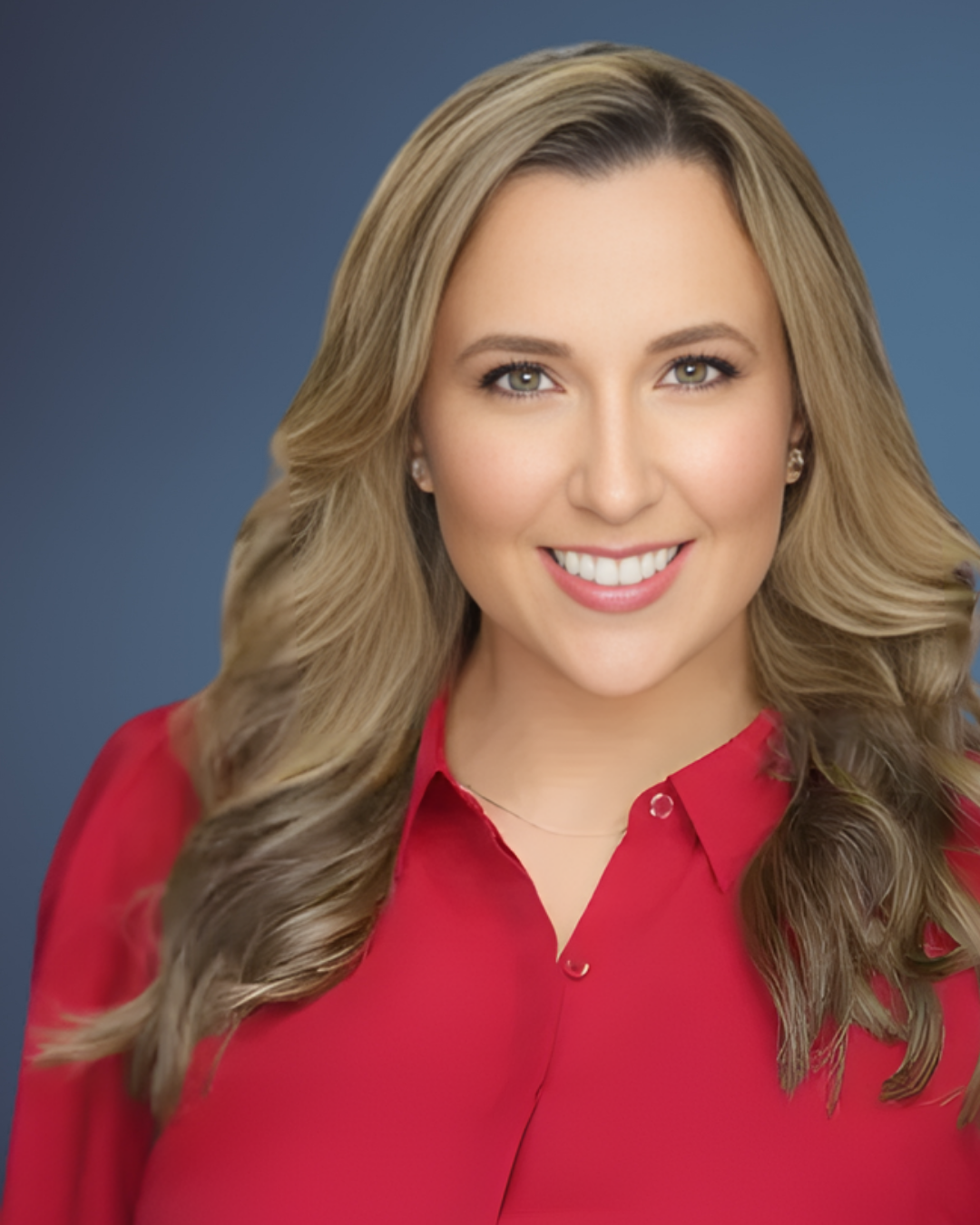
A woman in a red shirt is smiling for the camera.

Adrianna Smith

Corredora

License: CA DRE 01957172

A woman in a red shirt is smiling for the camera.

Melanie Smith

Agente

License: DRE#: 02046497

A woman with long brown hair is wearing a pink dress and smiling.

Michael Preston

Agente

License: CA DRE 02075182

A man in a blue suit and pink shirt is standing with his arms crossed.

Deanna Dubé

Agente

License: CA DRE 02088474

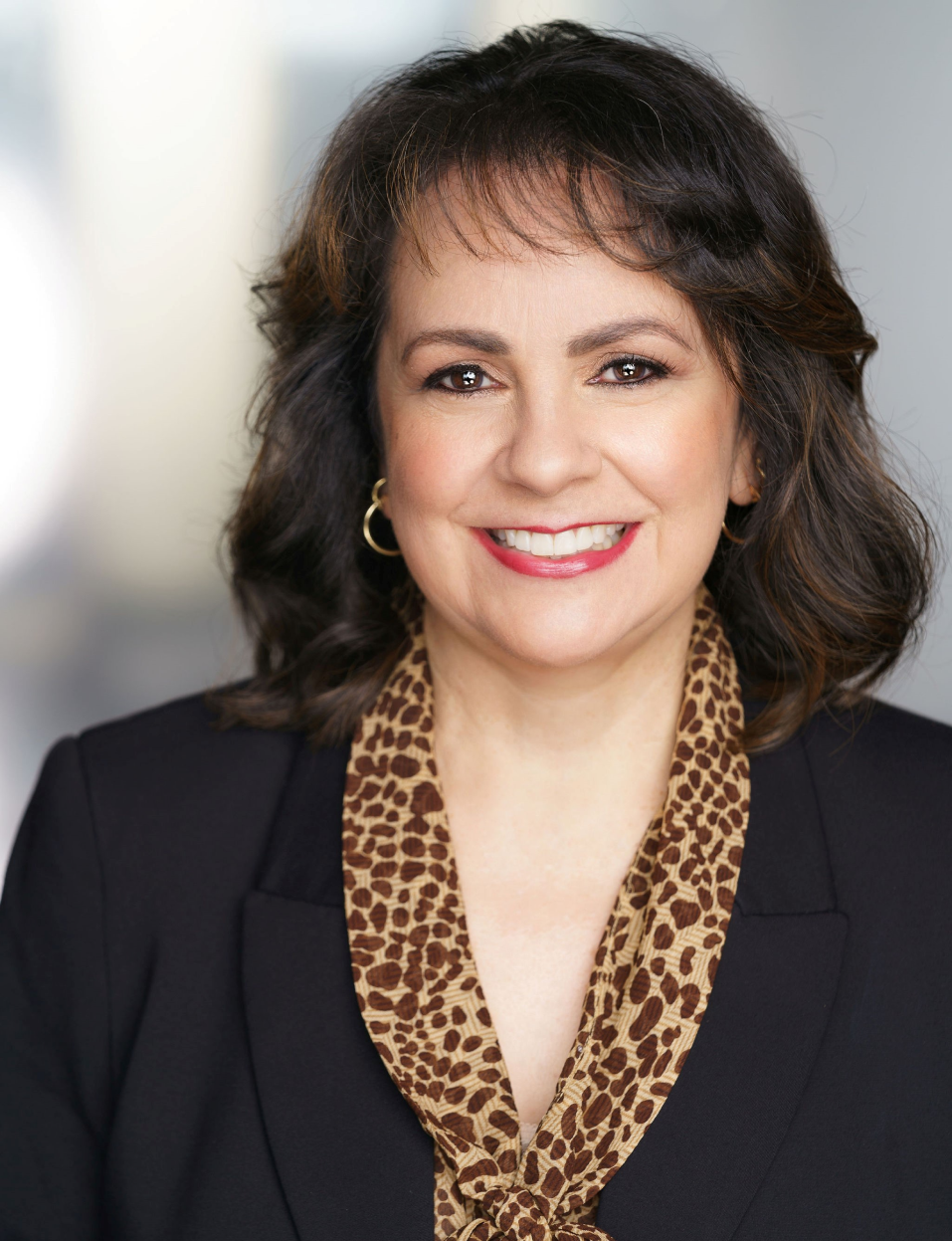
A woman in a black jacket is smiling with her arms crossed

Robin Howard

Agente
A sign that says `` coming soon '' next to a branch of eucalyptus leaves.

License: CA DRE #01988942

A man with a beard wearing a suit and tie is smiling for the camera.

David Gonzales

Agente

License:  CA DRE #02162164

A man in a suit and black shirt is smiling for the camera
Agente

License:  CA DRE #02211825

Agente

License:  CA DRE #02231834

A woman in a green shirt and black pants is standing with her arms crossed.
A man with a beard wearing a suit and tie is smiling for the camera.

Ira Putra

Agente

License:  CA DRE #02262892

🗣 Fluida en indonesios y chinos

A man with a beard wearing a suit and tie is smiling for the camera.

Dev Isemeyer

Agente

License:  CA DRE #02385326

🗣 Dominio del gaélico, alemán, español, hindi y cantonés.

A man with a beard wearing a suit and tie is smiling for the camera.

Martin Navarro

Agente

License: # 02372118

🗣 Fluido en español

A man with a beard wearing a suit and tie is smiling for the camera.

Chris Choe

Agente

License: CA DRE # 01985613

🗣 Fluido en coreano

Angelica Balbis

Analista financiero
A woman in a suit and collared shirt is smiling for the camera.

JM Muñoz

Coordinador de listados
A woman wearing a blue jacket and a necklace smiles for the camera

Winston Ong

Coordinador de clientes
A man in a suit and tie is smiling for the camera

Melanie Smith

Agente

(702) 622-1234

Licencia: DRE#: 02046497

Descargar vCard | Ver biografía

Michael Preston

Agente

(310) 994-7037

Licencia: CA DRE 02075182

Descargar vCard | Ver biografía

Diana Dube

Agente

(818) 935-1241

Licencia: CA DRE 02088474

Descargar vCard | Ver biografía

Claudia Castro

Agente

(310) 265-3697

Licencia: CA DRE #01425889

Ver biografía

Aarón Pfeffer

Agente

(323) 306-3296

Licencia: CA DRE #01781265

Ver biografía

Robin Howard

Agente

(818) 731-6563

A sign that says `` coming soon '' next to a branch of eucalyptus leaves.

Ver biografía

Licencia: CA DRE #01988942

Kit Magno

Coordinador de listados

Descargar vCard

Angélica Balbis

Analista financiero

Descargar vCard

Miguel Macachor

Coordinador de clientes

Descargar vCard

Experiencia en la industria

Hemos vendido cientos de empresas de todas las industrias, incluidas, entre otras:

Auto

Distribución

Al por mayor

Ocio/Entretenimiento

Internet/Comercio electrónico/Tecnología

Servicios empresariales

Construcción

Cuidado de la salud

Fabricación

Minorista

Restaurante

Belleza

Auto

Distribución

Al por mayor

Ocio/

Entretenimiento

Internet/Comercio electrónico/Tecnología

Servicios empresariales

Construcción

Cuidado de la salud

Fabricación

Minorista

Restaurante

Belleza

¡Consulta nuestros listados de negocios exclusivos disponibles!


¡Contáctenos hoy para hablar con uno de nuestros asociados y obtener más información sobre cómo comprar o vender un negocio!

Explorar las últimas noticias

21 de agosto de 2026
Searching for merger and acquisition services in Los Angeles usually means you're on one side of a deal, but which side changes everything about the service you actually need. Direct answer: sell-side M&A advisory represents the business owner going to market, managing valuation, marketing, and buyer outreach on the seller's behalf; buy-side services, also called buyer representation, represent the person or company trying to acquire a business, running the search, vetting targets, and negotiating on the buyer's behalf. The two roles work toward opposite outcomes in the same transaction, which is exactly why they're structured as separate services. Quick Answer: Sell-side M&A advisory works for the seller and is paid by the seller at closing. Buy-side (buyer representation) works for the buyer, requires proof of funds upfront, and is typically compensated with a success fee upon closing a deal. Sell-side M&A services represent the business owner selling, handling valuation, marketing, and buyer identification. Buy-side services (buyer representation) refer to the person or company doing the acquiring, running the search, vetting targets, and negotiating on the buyer's behalf. Whichever seat you're in determines which service you need. What Sell-Side M&A Advisory Covers Sell-side representation is built around one goal: getting the business owner the best achievable outcome when selling. That typically runs through a structured process: Initial consultation to define the seller's goals and compile financial documentation Market Price Analysis, a valuation grounded in the business's actual financials and comparable transactions Marketing, confidential business profiles and outbound outreach to strategic buyers, not just a public listing Buyer pool development, vetting interested buyers, requiring signed NDAs, and confirming proof of funds before releasing sensitive information Negotiation and offer management, fielding LOIs and purchase agreements, sometimes across several rounds Due diligence and closing, coordinating with the buyer's CPA and attorney through to a neutral closing entity Throughout, the sell-side advisor's job is to protect the seller's price and terms, not to make the deal easiest for the buyer. What Buy-Side Services (Buyer Representation) Cover Buyer representation flips the relationship. Instead of marketing a business, the broker runs a custom search on behalf of someone trying to acquire one, often described as finding the needle in the haystack across a market flooded with generic listings. The process starts with the buyer clearly defining what they're looking for: industry, target income level, location, and deal size. From there: Proof of funds is required upfront. A broker won't commit real search time without confirmation the buyer can actually close. The search isn't limited to active listings. If the right business isn't currently for sale, the broker will reach out directly to "plant the seeds" with an owner who may consider selling down the road, a meaningfully different job than marketing a public listing. Negotiation runs in the buyer's favor. The broker negotiates price and terms on behalf of the buyer, not the seller. Compensation is typically a success fee. Buyer-side brokers are usually paid only once a deal actually closes, which is why proof of funds and a clear mandate matter so much upfront. The Practical Differences, Side by Side
21 de agosto de 2026
If you're researching business valuation services in Los Angeles because you're weighing a sale, here's the direct answer: the biggest value-killers aren't the obvious ones. Sellers lose money by pricing off revenue instead of cash flow, failing to properly document add-backs, ignoring how much of the business rides on one or two customers, and walking into due diligence with financials that don't hold up to scrutiny. Every one of these is fixable before you go to market, which is exactly when fixing them actually helps your price. Quick Answer: The mistakes that most often cost LA sellers money are pricing off top-line revenue instead of cash flow, unsubstantiated add-backs, unaddressed customer concentration, and outdated market comparisons, all things a proper valuation catches before a buyer does. The valuation mistakes that cost Los Angeles sellers the most money aren't dramatic, they're things like pricing off revenue instead of cash flow, skipping add-backs, ignoring customer concentration, and going to market with messy books. Fixing these before you list, not after a buyer's due diligence team finds them, is what protects your price. #1: Pricing Off Revenue Instead of Cash Flow A business doing $3 million in revenue and a business doing $1.5 million can be worth the same amount, or the second one can be worth more, it depends entirely on what's left after expenses. Buyers value a business on its cash flow (Seller's Discretionary Earnings or EBITDA, depending on size), not its top line. Sellers who anchor their price expectations to revenue, or to what a competitor "sold for" without knowing the underlying multiple, routinely price themselves either out of the market or leave money on the table. #2: Add-Backs Without Documentation Add-backs, owner's salary above market rate, personal expenses run through the business, one-time legal costs, and similar items, are a legitimate part of showing a business's true earning power. The mistake is claiming them without paper trails. A buyer's CPA will challenge every add-back during due diligence, and unsupported ones don't just get rejected, they can undermine the seller's credibility on everything else in the financials. Document each one as you go, not retroactively when a buyer asks. #3: Ignoring Customer Concentration A business where one or two customers represent a large share of revenue looks strong on paper and gets discounted hard in practice. Buyers see customer concentration as risk: what happens to the business if that one relationship walks after the sale? Sellers who don't proactively address this (through diversification before selling, or at minimum a clear narrative and contracts that make the relationship transferable) are often surprised when it shows up as a lower offer or a request for an earnout tied to customer retention. #4: Relying on Outdated or Generic Comparisons "I heard a similar business sold for X" is not a valuation methodology, comparisons need to account for industry, deal size, growth trajectory, and how recently the comparable transaction closed. Buyer competition itself varies sharply by deal size: in the first quarter of 2026, 83% of deals over $5 million attracted at least three offers, and 18% drew ten or more bids, while smaller deals under $500,000 often received just one or two offers. That means the valuation dynamics for a Silicon Beach tech company and a San Fernando Valley service business aren't just different in multiple, they're different in how many buyers are actually competing for the deal, which itself affects where the final price lands relative to the initial number. #5: Emotional Pricing It's natural to price a business you built over 20 years based on how much of yourself is in it. Buyers don't price it that way. A Market Price Analysis grounded in your actual financials, industry standards, and comparable transactions, not sentiment, is what holds up once real offers start coming in. Sellers who skip this step and set their own number based on what they feel it's worth tend to sit on the market longer and eventually negotiate down further than they would have with a defensible number from the start. #6: Going to Market With Messy Books Even a genuinely strong business loses leverage if its financials don't reconcile cleanly. Buyers and their advisors read messy bookkeeping as risk, and risk gets priced in as a discount, or as a due diligence process that drags on long enough to kill momentum. Three years of clean, consistent financials, ideally reviewed by an accountant before you list, is one of the highest-leverage things a seller can do before a valuation even happens. What a Proper Valuation Actually Catches A comprehensive Market Price Analysis exists specifically to surface these issues before a buyer does, reviewing your assets, inventory, income statements, and intangible value against real market data and comparable transactions, rather than a single revenue multiple pulled from a general search. That's the difference between a number that survives due diligence and one that doesn't. Frequently Asked Questions 
29 de julio de 2026
A Los Angeles business valuation typically uses your Seller's Discretionary Earnings (SDE) multiplied by a market-based multiple, usually somewhere between 2x and 4x, depending on your industry, customer concentration, and financial documentation. In the 2026 LA market, a business earning $500,000 in SDE could sell for anywhere between $1.25 million and $2 million. The gap between those two numbers comes down to a handful of factors you can actually control before you list. Key Takeaways LA valuations run on SDE times a multiple, not just your P&L profit line 2026 multiples in Los Angeles typically fall between 2.5x and 4.0x SDE, depending on risk factors Customer concentration above 15-20% of revenue is a red flag for buyers and lenders Undocumented cash income has zero value in a formal sale A professional Market Price Analysis replaces guesswork with real comparable data If you're asking, "How much is my business worth?" you're already ahead of most Los Angeles owners. First Choice Business Brokers Los Angeles sees this question most often after a surprise offer lands, a partner dispute flares up, or an owner simply hits burnout and wants out. The problem is that most owners don't find out what their company is actually worth until they're already halfway through the door, and by then it's too late to fix the things that would have added real dollars to the sale price. This guide explains how valuation actually works for Los Angeles small businesses in 2026, using real market data rather than guesswork. Why Your P&L Isn't Your Valuation Your Profit & Loss statement is built for the IRS. It was never built to tell a buyer what your company is worth. That's where Seller's Discretionary Earnings, or SDE, comes in. SDE adds back your salary, one-time expenses, and personal perks run through the business to show a buyer what the company actually puts in an owner's pocket. This single number is the foundation of nearly every small business sale in Los Angeles. Once you know your SDE, a multiple gets applied to it, and that multiple is where most of the value gets won or lost. According to First Choice Business Brokers Los Angeles's own 2026 market analysis , a business with $500,000 in SDE could sell for $1.25 million at a 2.5x multiple, or as much as $2 million at a 4.0x multiple. That's a $750,000 swing based entirely on how "sellable" the business looks on paper. What Actually Moves Your Multiple A handful of factors push your multiple up or down, and most of them are fixable if you start early. Customer concentration: If one client accounts for 15-20% of your revenue, buyers and their banks see a serious risk. Lose that client after closing, and the buyer is stuck holding a hollowed-out company Documentation quality: Professional buyers and lenders only pay for income that shows up on tax returns and bank statements. Cash that never got reported is worth nothing in a formal sale Asset condition: During a Market Price Analysis, appraisers closely examine your equipment and inventory. If your books show $200,000 in equipment, but a chunk of it is broken or obsolete, your numbers lose credibility fast Recurring revenue and management depth: Buyers pay a premium for businesses that don't fall apart the moment the owner steps away Rising labor costs have squeezed margins across Southern California, but that isn't automatically bad news for your valuation. If you've adjusted pricing or implemented automation to protect profitability, that resilience actually strengthens your story for a buyer. The "Location Premium" Trap Los Angeles carries a location premium, and it's a double-edged sword that trips up many sellers. An HVAC company in the San Fernando Valley might command a higher multiple than a similar shop in Riverside simply because of the density of high-ticket residential contracts nearby. But here's the catch: that premium only counts if it's transferable. If your business runs on your personal relationships with local developers or property managers, a buyer isn't purchasing a location advantage. They're purchasing a building, and your relationships walk out the door with you. This is why comparable sales data across Southern California is notoriously inconsistent. Two businesses that look identical on paper can sell for very different multiples once a broker digs into what's actually transferable and what isn't. Why "Guessing" Costs You Real Money Basing your asking price on what a neighbor's shop sold for is one of the fastest ways to torpedo a listing. Buyers and their lenders will spot an inflated, unsupported number immediately, and a listing that sits too long starts to look distressed even if the business isn't. A formal Market Price Analysis replaces guesswork with comparable sales data, industry-specific multiples, and a defensible number you can actually negotiate around. That data-backed confidence is the difference between a seller who reacts to offers and one who drives the negotiation. You also don't need to wait for finalized tax returns to get moving. Year-end internal P&Ls can produce a working valuation now, which gets refined once your final numbers are ready. Frequently Asked Questions How is a business valued in Los Angeles? Most small and mid-sized LA businesses are valued using the Income Approach, which applies a multiple to your Seller's Discretionary Earnings. Market comparisons and asset-based approaches play a role too, but for companies under $10 million in revenue, SDE times a multiple does most of the heavy lifting. What SDE multiple can I expect in 2026? Multiples in the current Los Angeles market generally range from about 2.5x to 4.0x SDE, though your specific number depends on industry, customer concentration, documentation, and management depth. Does undocumented cash income count toward my valuation? No. Buyers and their lenders can only pay for income that's provable through tax returns and bank statements, so undocumented income adds nothing to your sale price. How often should I get a valuation? Even if you're years from selling, a valuation every couple of years helps you spot problems, like customer concentration or aging equipment, while there's still time to fix them. Do I need my final tax returns before getting a valuation? No. A broker can build a working valuation off your year-end internal P&Ls and refine it once your returns are complete. Trusted by Los Angeles Business Owners for Decades First Choice Business Brokers Los Angeles is led by Eric Johnson , Co-Owner and CEO (CA DRE #01118793), alongside Co-Owner and COO Michelle Koblas (CA DRE #02248957). The firm has helped list and manage over $15 billion in business listings across the First Choice Business Brokers network, and the Los Angeles office was recently ranked the #2 producing brokerage in the nationwide franchise system. Every valuation is built around Southern California's real market conditions, not national averages. From the entertainment and tech corridors of Silicon Beach to the industrial stretches of the San Fernando Valley, the team accounts for the specific dynamics that move multiples in Los Angeles, CA 90064 , and across the greater metro. Get Your Los Angeles Business Valuation Started  Knowing your number changes how you run your business, even if you're not selling next month. It tells you which levers to pull, which risks to fix, and what kind of exit is realistic on your timeline. Ready to find out what your business is actually worth? Contact First Choice Business Brokers Los Angeles at (424) 677-2688 or request a confidential Market Price Analysis today.