What to Look for in Business Sale Services in December 2023
Los Angeles, renowned for its dynamic and diverse business environment, presents a unique landscape for entrepreneurs looking to sell their businesses as of December 2023. The city's bustling economy, fueled by industries ranging from entertainment to technology, creates a fertile ground for business transactions. However, this vibrant market also brings complexities. With the economic landscape constantly evolving, particularly in the wake of recent global events, the value and appeal of businesses in Los Angeles have undergone significant shifts. As a result, the decision to sell a business here is more nuanced than ever.
In this ever-changing market, the role of a competent business sale service becomes crucial. Choosing the right service is not just about making a sale; it's about ensuring that the sale aligns with the seller's financial goals, market timing, and business valuation. A proficient business sale service can navigate the intricate market trends, legal requirements, and financial negotiations, ultimately leading to a successful and satisfactory transaction. For business owners in Los Angeles, understanding the importance of this choice is the first step towards a
successful sale in December 2023.
Understanding the Los Angeles Business Market
As of December 2023, the
Los Angeles business market stands as a beacon of opportunity and innovation, reflecting the city's enduring spirit of entrepreneurship and diversity. This bustling metropolis, known for its expansive reach across various sectors, continues to thrive despite the global economic shifts of recent years. The resilience and adaptability of Los Angeles's business landscape are evident in several key sectors that have shown remarkable growth and potential.
Firstly, the technology sector in Los Angeles has seen a significant surge, with Silicon Beach emerging as a formidable hub for tech startups and giants alike. This region has attracted a wealth of talent and investment, driving innovation in areas like artificial intelligence, biotechnology, and green technology. As environmental concerns grow globally, green tech businesses, in particular, have found a supportive and flourishing market in Los Angeles, capitalizing on both the city's progressive policies and the growing consumer demand for sustainable solutions.
Entertainment and media, long-standing pillars of the Los Angeles economy, continue to evolve with new digital platforms and content creation methods. The rise of streaming services and online content platforms has opened doors for smaller production companies and independent creators, diversifying the landscape beyond the traditional Hollywood studios. This sector's resilience is a testament to its ability to adapt to changing consumer preferences and technological advancements.
Another thriving sector is e-commerce and logistics, bolstered by Los Angeles's strategic position as a gateway to the Pacific and its extensive port facilities. The city's infrastructure and global connectivity make it an ideal location for businesses that require efficient distribution and logistics operations, catering to the ever-growing online shopping trend.
Furthermore, the health and wellness industry in Los Angeles has witnessed remarkable growth. The city's focus on lifestyle and health, combined with its status as a trendsetter, has made it a hotspot for businesses in personal health, fitness, and wellness products and services.
Understanding Los Angeles's business market in December 2023 requires an appreciation of its diverse and dynamic nature. Entrepreneurs seeking to sell their businesses in this environment must be cognizant of these thriving sectors, as they offer valuable insights into market trends and potential buyer interests. The city's capacity to blend innovation with its unique cultural and economic strengths continues to make it an attractive landscape for business transactions.
Essentials of Selecting a Business Sale Service
In the complex and competitive business landscape of Los Angeles, selecting the right business sale service is crucial for a successful transaction. As of December 2023, the market dynamics and business trends in the city necessitate a careful consideration of several key factors when choosing a business sale service.
Experience and Track Record: One of the primary factors to consider is the experience of the business sale service. A service with a long-standing presence in the Los Angeles market is likely to have a deep understanding of local business dynamics and valuation trends. Their track record in successfully closing deals is a testament to their expertise and reliability. Experienced brokers can navigate through the complexities of a sale, from initial valuation to final negotiations, ensuring a smooth and efficient process.
Market Knowledge and Industry Specialization:
The diverse economy of Los Angeles means that businesses span a wide range of industries. A business sale service that has specific knowledge or specialization in your industry can be highly beneficial. This specialized knowledge allows them to accurately value your business, target the right buyer pool, and effectively communicate the unique selling points of your business.
Networking and Connections: A well-connected broker can significantly enhance the sale process. Their network of potential buyers, legal professionals, and financial advisors can facilitate a wider exposure of your business and provide access to high-quality resources. In a city like Los Angeles, where business networks are extensive and influential, having a broker with the right connections can be a game-changer.
Communication and Transparency:
Effective communication is key in any business transaction. A good business sale service will keep you informed throughout the process, provide honest feedback, and be transparent about their strategies and the challenges that may arise. This open line of communication ensures that you are always in the loop and can make informed decisions.
Customized Strategy and Personalized Service: Every business is unique, and a one-size-fits-all approach does not work in business sales. A competent service will develop a customized strategy that aligns with your specific goals, business model, and market conditions. Personalized service, where the broker takes the time to understand your business and its potential, is essential for a successful sale.
Role of a Business Broker in Facilitating a Sale
A business broker plays a pivotal role in facilitating a business sale. They are responsible for valuing the business, preparing the sales memorandum, marketing the business to potential buyers, negotiating terms, and guiding both parties through the legal and financial aspects of the transaction. In essence, a broker acts as an intermediary who brings together sellers and buyers, using their expertise to ensure that both parties reach a mutually beneficial agreement. Their understanding of legal requirements, tax implications, and market trends is invaluable, especially in a dynamic market like Los Angeles. With their guidance, business owners can navigate the sale process with confidence, knowing that every aspect is being handled professionally and efficiently.
Choosing the right business sale service in Los Angeles requires careful consideration of various factors including experience, market knowledge, networking, communication, and personalized strategies. The role of a business broker is integral to this process, as they provide the expertise and support needed to navigate the complexities of a business sale, ensuring a successful and profitable outcome.
Step-by-Step Guide to Selling Your Business in LA
Selling a business in Los Angeles, a city teeming with entrepreneurial spirit and competition, demands a well-thought-out strategy. The following step-by-step guide, tailored for the LA market as of December 2023, outlines the key stages in preparing and marketing your business for sale.
Business Valuation: The first crucial step is determining the value of your business. In Los Angeles, where business values can vary greatly across different industries and neighborhoods, it's important to get this right. A comprehensive valuation involves analyzing your financial statements, market position, asset values, and future earning potential. In LA's diverse economy, factors like brand reputation and customer base demographics can significantly influence valuation. Engaging with a professional who understands the nuances of the LA market is advisable for an accurate and fair valuation.
Preparing Financial Documents: Your financial records must be meticulous and transparent. This includes balance sheets, income statements, tax returns, and cash flow statements for the past few years. In a market as scrutinized as Los Angeles, having clear and organized financial documents is crucial for instilling confidence in potential buyers.
Legal and Regulatory Compliance:
Ensure that all legal and regulatory requirements are in order. This might involve clearing any outstanding liabilities, ensuring compliance with local business laws, and obtaining necessary certifications or licenses. Los Angeles has specific regulations that might affect certain business types, so it's essential to be compliant to avoid any last-minute hurdles.
Improving Business Appeal:
Before listing your business for sale, consider making improvements that can increase its appeal. This could include streamlining operations, resolving any outstanding issues, or even a minor rebranding to make the business more attractive to a Los Angeles buyer.
Marketing Your Business:
The right marketing strategy is critical in reaching potential buyers. In a city as large and diverse as Los Angeles, your marketing needs to be targeted and strategic. Utilize online platforms, business sale networks, and local industry connections. Tailor your marketing materials to highlight the unique aspects of your business that appeal to the LA market, like sustainability practices, technology integration, or community involvement.
Screening Potential Buyers:
Not every interested party will be a suitable buyer. In Los Angeles, where the business environment is competitive and diverse, it's important to screen potential buyers to ensure they have the financial capacity and strategic fit for your business. This step involves conducting preliminary discussions, verifying financial backgrounds, and gauging their business acumen and intentions.
Negotiating the Sale:
Once a suitable buyer is identified, negotiation begins. This stage will involve discussions around the price, terms of the sale, and transition plans. In LA's dynamic market, negotiation skills are key. It's often beneficial to have an experienced broker or advisor to guide you through this process, ensuring that you secure a deal that meets your objectives and reflects the true value of your business.
Closing the Deal:
The final step involves signing the sale agreement and transferring ownership. This process includes handling legal paperwork, transferring licenses and permits, and managing financial transactions. It's important to work with a legal professional to ensure all aspects of the deal are properly executed.
Selling a business in Los Angeles requires a comprehensive approach, from accurate valuation to effective marketing and strategic negotiation. Following this step-by-step guide will help ensure a smooth sale process and a successful transition for your business in the vibrant LA market.
Navigating Legal and Financial Aspects
Selling a business in Los Angeles, a city known for its dynamic economy and stringent regulatory environment, requires careful navigation of various legal and financial considerations. Understanding these aspects is crucial to ensure a smooth and compliant sale process.
Legal Requirements for Business Sales in Los Angeles: Los Angeles has specific legal requirements that business owners must adhere to during a sale. Firstly, it’s important to ensure that all business licenses and permits are up to date and transferable to a new owner. This is particularly relevant in industries such as food services, where health department certifications play a crucial role. Additionally, any zoning laws or local ordinances that might affect business operations need to be considered. In Los Angeles, where regulations can vary from one area to another, sellers should be well-informed about the specific legalities that apply to their business location and type.
Contracts and Agreements: The business sale process involves various legal documents, including the bill of sale, purchase agreement, and non-disclosure agreements. These documents should be meticulously drafted to clearly define the terms of the sale, including any warranties, indemnifications, and the scope of the sale (assets, intellectual property, etc.). Engaging a legal professional with expertise in Los Angeles business law is advisable to ensure that all contracts are legally sound and comprehensive.
Financial Considerations: Financial aspects, particularly tax implications, play a significant role in the sale of a business. In California, sellers may be subject to state taxes on the sale of business assets or capital gains. Understanding the tax consequences is vital to avoid unexpected liabilities. It's also important to structure the sale in a way that is financially advantageous. For instance, deciding between an asset sale and a stock sale can have different tax and liability implications. An asset sale is often preferred in Los Angeles, as it can offer more flexibility in terms of taxes and transfer of liabilities.
Escrow and Closing Process: In Los Angeles, using an escrow service for the transaction is a common practice. The escrow process ensures that all legal and financial obligations are met before the final transfer of ownership. This includes clearing any existing debts, transferring the agreed funds, and ensuring compliance with all contractual terms.
Post-Sale Financial Management: After the sale, it’s important to manage the proceeds in a way that aligns with your future financial goals. This might involve investment strategies or tax planning to maximize the benefits of the sale.
Navigating the legal and financial aspects of a business sale in Los Angeles requires a thorough understanding of local regulations, careful financial planning, and attention to legal details. By addressing these aspects effectively, sellers can ensure a legally compliant, financially sound, and smooth transition of their business.
Success Stories: Los Angeles Business Sales
The vibrant business landscape of Los Angeles has been the backdrop for numerous successful business sales, each with its unique story of challenge and triumph. Here are a couple of illustrative examples:
GreenTech Startup Acquisition: A small GreenTech startup, specializing in sustainable energy solutions, started in the heart of Silicon Beach. Initially struggling to gain traction, they focused on innovative solar technology, which caught the attention of a major energy firm. In 2023, after three years of steady growth and community engagement, they were acquired for a significant sum. The founder, in a heartfelt testimonial, credited their success to understanding the LA market's unique needs and a strong marketing strategy that highlighted their environmental impact.
Family-Owned Restaurant Chain: A family-owned chain of fusion cuisine restaurants, with a 20-year history in Los Angeles, decided to sell their business upon the retirement of the founding couple. They found a buyer who was passionate about maintaining the brand's legacy and community ties. The sale, which was completed smoothly thanks to expert legal and financial guidance, allowed the founders to retire comfortably while ensuring their beloved business continued to thrive under new management. The couple expressed deep satisfaction in a press release, noting how their broker's deep understanding of the LA food industry was key to finding the perfect successor.
These stories exemplify the diversity and potential of Los Angeles' business environment. They show how with the right approach, understanding of the market, and professional guidance, business owners in LA can achieve successful and rewarding sales.
FAQs
First Choice Business Brokers: Your Local Expert
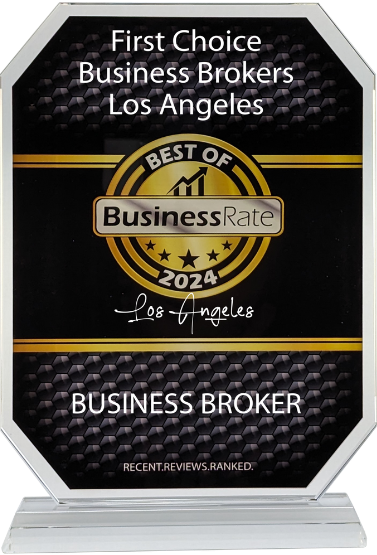
First Choice Business Brokers Los Angeles, established in Los Angeles, has carved out a reputation as one of the city's premier brokerage services. Renowned for their deep understanding of the diverse LA market, they offer a blend of local expertise and national reach. This brokerage firm stands out for its seasoned team of professionals who bring years of experience across various industries, making them a versatile and reliable choice for business owners.
Their success in the Los Angeles market can be attributed to several key factors. First Choice Business Brokers boasts an impressive track record of successful sales, ranging from small independent businesses to larger, high-profile companies. They have a knack for accurately valuing businesses in the unique LA landscape, which is a crucial aspect of their success rate.
Client testimonials often highlight the firm's personalized approach and commitment to their clients' goals. Sellers praise their transparent communication, efficient processes, and the ability to secure favorable deals. First Choice Business Brokers also receives accolades for their comprehensive services, including market analysis, strategic marketing, negotiation, and assistance with legal and financial aspects of the sale.
In a city as dynamic as Los Angeles, having a broker like First Choice Business Brokers, who combines local insight with extensive experience, is invaluable. They are not just brokers; they are strategic partners in the journey of selling a business.
Conclusion
Selling a business in Los Angeles is a journey that requires careful planning, deep market understanding, and strategic execution. From accurate business valuation and preparing essential documents to navigating the legal and financial intricacies, each step is crucial for a successful sale. The diverse and evolving LA market demands expertise that can adeptly handle these complexities. Seeking professional assistance, like that offered by First Choice Business Brokers, can make a significant difference. With their experience and local knowledge, they can guide you through the process, ensuring your business sale is not just successful but also aligns with your objectives and expectations.
Recent articles for you